How to Apply for EB5 Visa Program
Discovering Possibilities: A Comprehensive Guide to EB5 Investment Immigration
The EB-5 Immigrant Investor Program presents a pathway for foreign investors to achieve U.S. permanent residency through strategic investments. Understanding the eligibility requirements and investment processes is vital for potential applicants. Selecting the right project can significantly influence success. However, challenges often occur, necessitating informed decision-making. As investors navigate this complex landscape, key insights can make all the difference in accessing opportunities. What are the essential elements that can impact their journey?
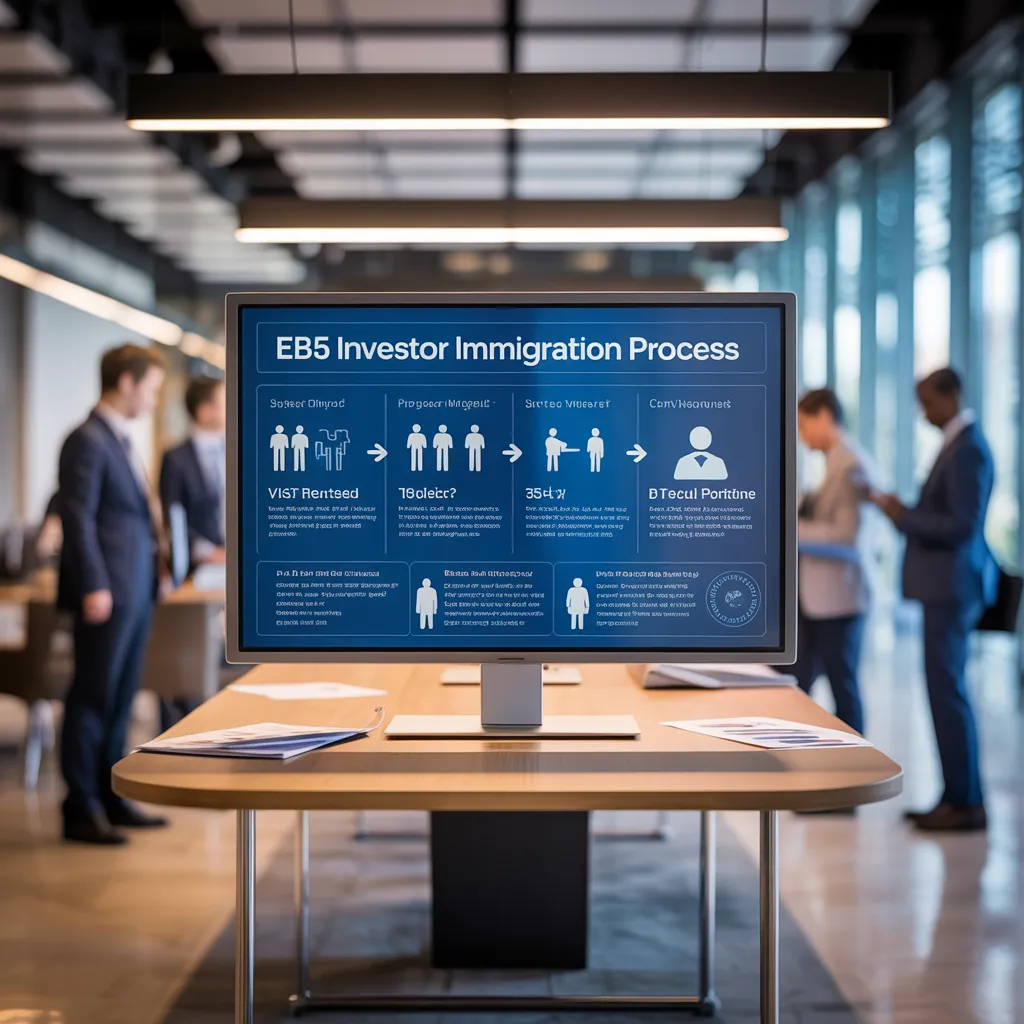
Comprehending the EB-5 Immigrant Investor Program
The EB-5 Immigrant Investor Program presents a route to copyright in the United States for foreign investors, provided they meet certain investment and job creation criteria. Created in 1990, the program seeks to boost the U.S. economy by drawing in foreign capital. Investors must typically invest a minimum of $1 million in a new commercial enterprise, or 500,000 dollars in a targeted employment area, which is defined as a rural or high-unemployment location.
The initiative demands that these investments create or preserve at least ten full-time jobs for U.S. workers within 24 months. In addition, the investment has to be at risk, which means the investor could potentially forfeit their capital. The EB-5 program is attractive for its direct pathway to obtaining a copyright, permitting investors and their immediate family members to live, work, and study in the United States, contributing to economic growth while pursuing new opportunities.
Eligibility Criteria for EB-5 Investors
The eligibility requirements for EB-5 investors include multiple critical elements, including investment amount criteria, job development obligations, and the source of funds. Understanding these components is vital for potential investors seeking to navigate the program with success. Each requirement serves a pivotal role in defining both the feasibility of the investment and the potential for acquiring a copyright.
Funding Amount Guidelines
Investment amount standards are a vital part of the EB-5 visa program, establishing eligibility for foreign investors seeking permanent residency in the United States. As of the most recent guidelines, the minimum investment requirement is typically set at $1 million. However, this amount is reduced to $500,000 if the investment is made in a Targeted Employment Area (TEA), which encompasses rural or high-unemployment regions. These criteria confirm that investments contribute meaningfully to the U.S. economy. Investors must also demonstrate that the funds are lawfully obtained and can be traced back to their legitimate sources. Adhering to these financial thresholds is essential for those aiming to navigate the complexities of the EB-5 visa process successfully.
Employment Generation Requirements
To qualify for the EB-5 visa program, investors must satisfy specific job creation requirements, which play a pivotal role in demonstrating the economic impact of their investments. Each EB-5 investor is required to create or preserve at least ten full-time jobs for qualified U.S. workers within two years of making the investment. This job creation must occur in either a new commercial enterprise or a TEA (TEA), which is defined as a rural area or one experiencing high unemployment. Investors in TEAs benefit from a lower investment threshold. Meeting these mandates is essential, as failure to satisfy the job creation requirements can result in the denial of the copyright, jeopardizing the investor's immigration goals.
Funds Source
Comprehending the origin of funds is a critical component of the EB-5 copyright process. Candidates need to prove that their investment capital originates from related resource legitimate sources, maintaining compliance with U.S. immigration laws. This requires providing comprehensive documentation that traces the funds back to their origin, whether from personal savings, business income, or inheritance.
The U.S. Citizenship and Immigration Services (USCIS) requires investors to provide bank statements, tax returns, and legal documents to verify the legitimacy of their capital sources. Inability to sufficiently demonstrate the source of funds can lead to application disapproval. Therefore, thorough preparation and transparency are essential for EB-5 investors aiming to obtain their immigration status through this program.
The Investment Process: Detailed Step-by-Step Guide
EB-5 investors face an investment process that includes defined initial investment requirements and a well-organized application submission procedure. Grasping these steps is essential for prospective investors aiming to navigate the complexities of the program. This guide will outline each step to provide clarity and compliance with immigration guidelines.
Initial Investment Needs
Prospective investors aiming to manage the EB5 visa process must begin by grasping the primary investment requirements, which are vital for obtaining permanent residency in the United States. The minimum investment amount is typically set at $1,000,000, but this can be reduced to $500K if the funds are directed towards a targeted employment area (TEA), marked by high unemployment or low income. It is crucial for investors to verify that their funds are exposed to potential loss and intended for a new commercial enterprise, which must produce or safeguard at least a minimum of ten full-time jobs for qualifying U.S. workers. In addition, investors must document the legitimate source of their investment funds, demonstrating compliance with U.S. regulations and enhancing their case's legitimacy.
Application Filing Process
After the initial investment criteria, the next essential step in the EB5 visa process involves the application submission. Applicants must complete Form I-526, the Immigrant Petition by Alien Investor, which outlines their investment and the job creation plan linked to it. This form requires thorough documentation, including verification of the investment funds' legitimacy and the business plan's viability. After filing, applicants should prepare for a processing period, during which U.S. Citizenship and Immigration Services (USCIS) examines the petition. If approved, the applicant receives a notice to continue with the next steps toward acquiring a conditional permanent residency. It is essential for applicants to ensure all materials are accurate and complete to prevent delays in the processing timeline.
Selecting the Appropriate EB-5 Investment
How does one ensure that an EB-5 project corresponds with investment goals and immigration objectives? To start, potential investors should carry out thorough due diligence to evaluate the project's financial viability and track record. This includes reviewing the project's business plan, economic impact, and projected job creation, which are essential for meeting EB-5 requirements.
Investors ought to also evaluate the location of the project, as area economic factors can substantially affect success. Working with trustworthy regional centers and obtaining guidance from immigration attorneys or financial advisors can supply valuable insights.
Moreover, understanding the exit strategy is vital; investors should determine how and when they will recover their capital back. Lastly, harmonizing personal values and interests with the project can boost gratification and commitment. By carefully evaluating these aspects, investors can make knowledgeable decisions that support both their financial goals and immigration aspirations.
Standard Issues and Methods to Tackle Them
Managing the complications of the EB-5 program can introduce substantial challenges that call for careful consideration and strategic planning. One prevalent obstacle investors encounter is the extended processing times for applications, which can lead to uncertainty. To mitigate this, future investors should compile all required documentation early and stay informed about any changes in regulations that may impact timelines.
Moreover, the financial requirement of $900,000 or $1.8 million can be intimidating. To resolve this, investors should undertake extensive due diligence on potential projects, ensuring a sound business model and a clear path to job creation.
Additionally, understanding the sophisticated immigration laws and requirements can be challenging. Working with experienced immigration attorneys and financial advisors can provide crucial guidance, serving to navigate intricate legal landscapes and investment strategies. By anticipating these challenges, investors can more effectively position themselves for a successful EB-5 experience, ultimately revealing the opportunities the program offers.
How Regional Centers Function in EB-5 Investments
Regional centers serve a crucial function in the EB-5 investment landscape by functioning as bridges between foreign investors and U.S. businesses seeking capital. These bodies are approved by the U.S. Citizenship and Immigration Services (USCIS) and are crucial for promoting investments that create jobs and stimulate economic growth. Regional centers aggregate investments from multiple investors to finance projects, which can span from property developments to infrastructure enhancements.
The Road to Permanent Residency and Beyond
Navigating the journey to copyright through the EB-5 program demands thorough planning and conformity with specific requirements. Investors must invest a minimum of $1 million, or $500,000 in TEA regions, into a new commercial enterprise. Upon completion of the investment, they must file Form I-526, showing that the investment will create at least ten full-time jobs for U.S. workers.
Once the I-526 petition is approved, investors can apply for conditional permanent residency by presenting Form I-485 or DS-260. This status lasts for two years, during which investors must demonstrate that their investment is meeting the job creation requirement.
To move to unconditional permanent residency, investors need to file Form I-829 in the 90 days preceding the two-year anniversary of their residency. Successfully navigating these steps not only ensures permanent residency but also provides additional opportunities, such as citizenship after sustaining residency for the required duration.
Frequently Asked Questions
How Long Does the EB-5 Application Process Typically Take?
The EB-5 application process typically takes around 18 to 24 months, however timelines can differ significantly determined by individual circumstances, regional center approvals, and U.S. Citizenship and Immigration Services processing times. Patience is crucial.
Can I Include My Family Members in My EB-5 Application?
An individual is able to include immediate family members, such as a spouse and unmarried children under 21, in the EB-5 application. This inclusion allows them to secure copyright alongside the principal investor.
What If My EB-5 Investment Falls Through?
If an EB-5 investment fails, the investor could forfeit their capital and be unable to secure permanent residency. They might also encounter difficulties in recovering funds, contingent upon the project's structure and underlying agreements.
Is There a Required Minimum Investment for EB-5?
The required minimum investment amount for the EB-5 program is usually $1 million. Nevertheless, in designated employment zones, the threshold may be reduced to $500,000, promoting investment in zones seeking economic development.
May I Work in the United States While Waiting for My EB-5 Application Decision?
During the time an EB-5 application is under review, individuals cannot work in the U.S. unless they possess a valid copyright. Endorsement of the EB-5 petition does not grant immediate work authorization until subsequent steps are completed.